School bus maintenance isn’t just about keeping vehicles running—it’s about protecting precious cargo. Every day, over 26 million students across America depend on school buses to transport them safely to and from school. As a transportation director or fleet manager, your maintenance program directly impacts student safety, operational efficiency, regulatory compliance, and budget management.
This comprehensive guide provides actionable strategies, regulatory insights, and best practices to help you maintain a safe, reliable, and cost-effective school bus fleet.
School Bus Maintenance Requirements and Regulations
School bus maintenance operates under one of the most stringent regulatory frameworks in the transportation industry. Understanding and complying with these requirements protects students and shields your district from liability.
Federal Motor Carrier Safety Regulations (FMCSR): The Federal Motor Carrier Safety Administration establishes baseline maintenance standards that apply to all school buses. Part 396 of the FMCSR requires systematic inspection, repair, and maintenance of all motor vehicles and equipment. Key requirements include:
- Annual inspections documented and retained for 14 months
- Pre-trip and post-trip driver vehicle inspection reports
- Maintenance records kept for one year after vehicle disposal
- Immediate repair of any defects affecting safe operation
- Qualified mechanics performing inspections and repairs
State-Specific Requirements: Most states impose additional regulations beyond federal minimums. These often include:
- Semi-annual or quarterly state inspections by certified inspectors
- Specific maintenance intervals for critical systems
- Enhanced safety equipment requirements (crossing arms, stop arms, lighting)
- Stricter emission standards and testing protocols
- Maximum vehicle age limits before retirement
National School Transportation Specifications and Procedures: While not legally binding, these industry standards provide detailed technical specifications that many states incorporate into their regulations. Compliance demonstrates commitment to best practices.
Documentation Requirements: Comprehensive record-keeping isn’t optional—it’s essential for regulatory compliance and liability protection. Maintain detailed records of:
- All preventive maintenance services with dates and mileage
- Repairs performed, including parts replaced and labor hours
- Daily driver inspection reports with noted defects
- State inspection certificates and any deficiency corrections
- Warranty work and recall compliance
- Fuel consumption and fluid additions
Consequences of Non-Compliance: Failing to meet maintenance regulations can result in vehicles being placed out of service, substantial fines, increased insurance premiums, and potential liability in accident litigation. More importantly, inadequate maintenance compromises student safety—an unacceptable risk for any school district.
Daily School Bus Inspection Checklist
Daily inspections are your first line of defense against mechanical failures and safety hazards. A systematic pre-trip inspection identifies problems before students board, while post-trip inspections catch issues that developed during operation.
Pre-Trip Inspection Procedure: Drivers should complete this inspection before the first student pickup, following a consistent walk-around pattern:
Exterior Inspection:
- Check all lights: headlights, taillights, brake lights, turn signals, hazard lights, and amber/red warning lights
- Inspect mirrors for proper adjustment, cracks, or loose mounting
- Examine tires for proper inflation, tread depth (minimum 4/32″), cuts, or bulges
- Look for fluid leaks under the vehicle (oil, coolant, fuel, hydraulic fluid)
- Verify crossing arm extends and retracts properly
- Test stop arm deployment and retraction
- Check body panels for damage that could create sharp edges
- Inspect windshield and windows for cracks or chips that obstruct vision
- Examine exhaust system for leaks or damage
Interior Inspection:
- Test all dashboard warning lights and gauges during startup
- Verify proper operation of windshield wipers and washers
- Check emergency exits open smoothly and alarms function
- Inspect passenger seats for secure mounting and torn upholstery
- Verify fire extinguisher is charged and accessible
- Confirm first aid kit is complete and current
- Test two-way radio or communication device
- Check that emergency equipment (triangles, flares) is present
- Ensure aisle and exits are clear of obstructions
Operational Checks:
- Test service brakes for proper response and stopping power
- Check parking brake holds vehicle on incline
- Verify steering responds smoothly without excessive play
- Test horn for adequate volume
- Confirm heater and defroster operate effectively
- Check air pressure builds to proper PSI (air brake systems)
Post-Trip Inspection: After completing routes, drivers should:
- Walk through the bus to ensure no students remain (critical safety check)
- Note any mechanical issues that developed during operation
- Check for interior damage or items left behind
- Document fluid levels if they dropped significantly
- Report unusual noises, vibrations, or handling characteristics
Defect Reporting: Establish a clear process for drivers to report defects immediately. Use standardized forms (paper or digital) that capture the nature of the problem, severity, and location. Maintenance staff should review all reports daily and prioritize repairs based on safety impact. Training drivers in spotting early warning signs prevents breakdowns during school routes.
Preventive Maintenance Schedule for School Buses
Preventive maintenance is the cornerstone of fleet reliability. A well-designed schedule prevents breakdowns, extends vehicle life, and ultimately costs far less than reactive repairs. Implementing preventive bus maintenance is especially critical for school districts with tight budgets.
Maintenance Interval Framework: Base your schedule on both time and mileage, whichever comes first. Typical intervals include:
Every 3,000-5,000 Miles or Monthly:
- Engine oil and filter change
- Fluid level checks (coolant, power steering, brake, transmission)
- Tire pressure adjustment and visual inspection
- Battery terminals cleaning and testing
- Lights and signals functionality check
- Windshield wiper condition assessment
Every 6,000-10,000 Miles or Quarterly:
- Tire rotation and alignment check
- Brake system inspection (pads, shoes, drums, rotors)
- Air filter replacement or cleaning
- Fuel filter replacement
- Chassis lubrication
- Exhaust system inspection
- Cooling system inspection
- Belts and hoses examination
Every 12,000-15,000 Miles or Semi-Annually:
- Transmission service (fluid and filter change)
- Differential service
- Steering and suspension component inspection
- Wheel bearing inspection and repacking
- Brake adjustment and testing
- Air conditioning system service
- Comprehensive safety inspection
Annually or 25,000+ Miles:
- Coolant system flush and replacement
- Comprehensive brake system overhaul if needed
- Body and frame inspection for rust or structural damage
- Electrical system comprehensive testing
- Seat and restraint system inspection
- Emergency equipment replacement (flares, first aid supplies)
Manufacturer-Specific Requirements: Always consult your bus manufacturer’s maintenance schedule. Warranty coverage often depends on following prescribed intervals. Modern diesel engines with emission control systems require specific maintenance procedures—deviation can cause expensive failures.
Digital Maintenance Management: Implement a computerized maintenance management system (CMMS) to automate scheduling, track completion, manage parts inventory, and generate compliance reports. These systems prevent missed services and provide data for budgeting and fleet replacement decisions.
Common School Bus Repair Issues and Solutions
Understanding frequent failure points helps you anticipate problems, stock appropriate parts, and minimize downtime. Here are the most common school bus repair issues and effective solutions:
Brake System Problems: School buses make hundreds of stops daily, creating extreme brake wear. Common issues include:
- Issue: Premature brake pad/shoe wear. Solution: Train drivers on smooth braking techniques, inspect for dragging brakes, ensure proper adjustment, and use quality replacement parts.
- Issue: Air brake system leaks. Solution: Regularly inspect air lines and fittings, replace deteriorated components, and maintain proper air dryer function.
- Issue: Brake fade or reduced stopping power. Solution: Check for contaminated linings, glazed drums/rotors, and proper brake adjustment.
Electrical System Failures: Modern school buses have complex electrical systems powering lights, signals, and safety equipment:
- Issue: Dead batteries or no-start conditions. Solution: Test batteries semi-annually, clean terminals regularly, check alternator output, and address parasitic drains.
- Issue: Lighting failures. Solution: Stock common bulbs, inspect wiring harnesses for damage, and protect connections from moisture.
- Issue: Warning light malfunctions. Solution: Maintain proper grounding, use quality replacement switches, and protect circuits from overload.
Cooling System Issues: Overheating can cause catastrophic engine damage:
- Issue: Coolant leaks. Solution: Pressure test system regularly, replace hoses before they fail, and use proper coolant mixture.
- Issue: Thermostat failures. Solution: Replace thermostats preventively during coolant service.
- Issue: Radiator blockage. Solution: Clean radiator fins, flush system regularly, and address internal corrosion.
Suspension and Steering Problems: These affect ride quality and handling:
- Issue: Worn bushings and ball joints. Solution: Inspect during every preventive maintenance, replace at first sign of wear.
- Issue: Shock absorber failure. Solution: Replace shocks in pairs, upgrade to heavy-duty units for rough routes.
- Issue: Alignment issues. Solution: Check alignment after hitting potholes or curbs, maintain proper tire pressure.
Body and Accessibility Equipment: Doors, lifts, and ramps require regular attention:
- Issue: Door mechanism failures. Solution: Lubricate regularly, adjust linkages, replace worn seals.
- Issue: Wheelchair lift malfunctions. Solution: Follow manufacturer maintenance schedules strictly, keep hydraulic fluid clean, train drivers on proper operation.
Transmission Issues: Transmission problems in school buses are among the most costly repairs districts face. Early detection through fluid analysis and shift quality monitoring can prevent complete failure.
Diesel Engine Problems: School buses often show diesel engine warning signs that require immediate attention. Common indicators include excessive smoke, unusual noises, loss of power, or increased fuel consumption.
Emission System Problems: Diesel particulate filters (DPF) and selective catalytic reduction (SCR) systems require specific attention:
- Issue: DPF clogging. Solution: Ensure adequate highway driving for regeneration, use ultra-low sulfur diesel, address oil consumption issues.
- Issue: DEF system failures. Solution: Use quality diesel exhaust fluid, protect from contamination, replace filters regularly.
Preventive Maintenance for Bus Transmissions
Preventive maintenance is your most powerful tool for avoiding expensive transmission repairs and extending component life. Transmission care is a critical component of preventive maintenance programs that extend vehicle life.
Fluid Service Schedule:
Transmission fluid is the lifeblood of the system. Follow these guidelines:
- Normal Service: Change fluid and filter every 30,000-60,000 miles
- Severe Service: Every 15,000-30,000 miles for buses with heavy stop-and-go operation, frequent towing, or extreme temperatures
- Fluid Inspection: Check level and condition monthly
Using quality transmission parts and fluids is critical for preventing premature failure.
Fluid Quality Checks:
During inspections, evaluate:
- Color: Should be bright red or amber; dark brown or black indicates degradation
- Smell: Sweet or neutral; burnt odor signals overheating damage
- Consistency: Smooth; gritty texture indicates metal contamination
- Level: Maintain proper level; both low and overfilled cause problems
Cooling System Maintenance:
Heat destroys transmissions. Protect your investment:
- Inspect transmission cooler for blockages or damage
- Flush cooler when replacing transmission or during major service
- Check cooler lines for leaks, cracks, or deterioration
- Ensure adequate airflow to cooler
- Consider auxiliary cooler for severe-duty applications
Linkage and Mount Inspection:
- Check shift linkage for proper adjustment and wear
- Inspect transmission mounts for deterioration or damage
- Verify proper alignment between engine and transmission
- Lubricate linkage pivot points as specified
Seal and Gasket Monitoring:
- Regularly inspect for leaks at all seal and gasket locations
- Address small leaks promptly before they worsen
- Replace deteriorated seals during other service work
Operational Best Practices:
Train drivers on transmission-friendly operation:
- Allow transmission to warm up before heavy acceleration
- Avoid excessive idling which prevents proper fluid circulation
- Don’t shift into gear while engine is at high RPM
- Come to complete stop before shifting between drive and reverse
- Use proper gear selection for terrain and load
- Avoid overloading beyond vehicle capacity
Diagnostic Monitoring:
For electronically controlled transmissions:
- Regularly scan for diagnostic trouble codes
- Monitor transmission temperature during operation
- Track shift quality and timing
- Document any abnormal behavior immediately
Preventive Maintenance Schedule:
- Monthly: Visual inspection, fluid level check, leak detection
- Every 15,000-30,000 miles: Fluid and filter service (severe duty)
- Every 30,000-60,000 miles: Fluid and filter service (normal duty), linkage inspection and adjustment
- Annually: Comprehensive inspection including mounts, cooler, seals, and diagnostic scan
School Bus Safety Inspections: What You Need to Know
Safety inspections go beyond routine maintenance—they’re comprehensive evaluations ensuring every system meets regulatory standards and protects student passengers.
State Inspection Requirements: Most states mandate professional inspections by certified mechanics at specific intervals. These typically occur:
- Semi-annually (every six months)
- Before the start of each school year
- After major repairs or accidents
- When transferring ownership
Inspection Components: Comprehensive safety inspections evaluate:
Structural Integrity:
- Frame and body for rust, cracks, or damage
- Floor condition and integrity
- Emergency exit functionality
- Seat mounting security
- Step condition and non-slip surfaces
Safety Systems:
- All lighting systems (interior, exterior, warning lights)
- Mirrors properly mounted and adjusted
- Crossing arm operation
- Stop arm deployment and visibility
- Horn audibility
- Windshield condition (no cracks in driver’s vision area)
Mechanical Systems:
- Brake performance and adjustment
- Steering system condition and play
- Suspension components
- Tire condition and tread depth
- Exhaust system integrity (no leaks into passenger compartment)
- Fuel system security
Emergency Equipment:
- Fire extinguisher charged and accessible
- First aid kit complete and current
- Emergency triangles or flares present
- Emergency exit alarms functional
- Emergency information cards posted
Preparing for Inspections: Don’t wait until the inspection date to address issues. Conduct pre-inspection checks 2-3 weeks in advance, allowing time to complete necessary repairs. This prevents vehicles from being placed out of service during critical operational periods. Our professional bus inspection services ensure your school buses meet all safety requirements.
Failed Inspection Response: If a bus fails inspection, immediately remove it from service until deficiencies are corrected. Document all repairs and have the vehicle re-inspected promptly. Never operate a bus with unresolved safety violations—the liability risk is enormous.
Summer School Bus Maintenance: Preparing for the New Year
Summer break provides the ideal opportunity for comprehensive maintenance that’s difficult to schedule during the school year. Strategic summer maintenance prevents breakdowns during peak operational periods.
Major Service and Repairs: Schedule time-intensive work during summer months:
- Engine overhauls or replacements
- Transmission rebuilds
- Brake system overhauls
- Suspension component replacement
- Body and paint repairs
- Interior refurbishment (seat replacement, floor repair)
- Wheelchair lift overhauls
Deep Cleaning and Sanitization: Thoroughly clean and disinfect every bus:
- Steam clean or shampoo all seats and upholstery
- Disinfect high-touch surfaces (handrails, seat backs)
- Clean windows inside and out
- Wash and wax exterior
- Clean engine compartment and undercarriage
- Address any mold or mildew issues
Annual Inspections and Certifications: Complete required state inspections during summer when you have flexibility to address deficiencies without impacting routes.
Technology Updates: Install or update:
- GPS tracking systems
- Camera systems (interior and exterior)
- Communication equipment
- Student tracking software
- Diagnostic tools and software updates
Driver Training and Preparation: Use summer for:
- Refresher training on pre-trip inspections
- New driver orientation
- Emergency procedure drills
- Route planning and optimization
Parts Inventory Preparation: Stock up on commonly needed items before the school year:
- Filters (oil, fuel, air)
- Belts and hoses
- Light bulbs
- Wiper blades
- Brake components
- Fluids and lubricants
Fleet Assessment: Evaluate each vehicle’s condition and projected lifespan. Identify buses that should be retired and begin the replacement procurement process. Summer provides time for thorough evaluation without operational pressure.
Cost-Effective School Bus Maintenance Strategies
Effective maintenance doesn’t mean expensive maintenance. Strategic approaches reduce costs while maintaining safety and reliability.
Preventive vs. Reactive Maintenance: Studies consistently show preventive maintenance costs 3-4 times less than reactive repairs. A $150 coolant system service prevents a $4,000 engine replacement. Invest in prevention.
Total Cost of Ownership Analysis: When purchasing replacement parts or new buses, evaluate lifecycle costs, not just purchase price. A slightly more expensive part that lasts twice as long delivers better value.
Bulk Purchasing and Cooperative Buying: Join purchasing cooperatives with other school districts to leverage volume discounts. Negotiate annual contracts for frequently used items like filters, fluids, and tires. Sourcing quality bus parts at competitive prices is essential for school district budgets.
In-House vs. Outsourced Maintenance: Analyze which services are cost-effective to perform in-house versus outsourcing:
- In-house: Routine preventive maintenance, inspections, minor repairs
- Outsource: Specialized repairs (transmission, differential), body work, major engine work
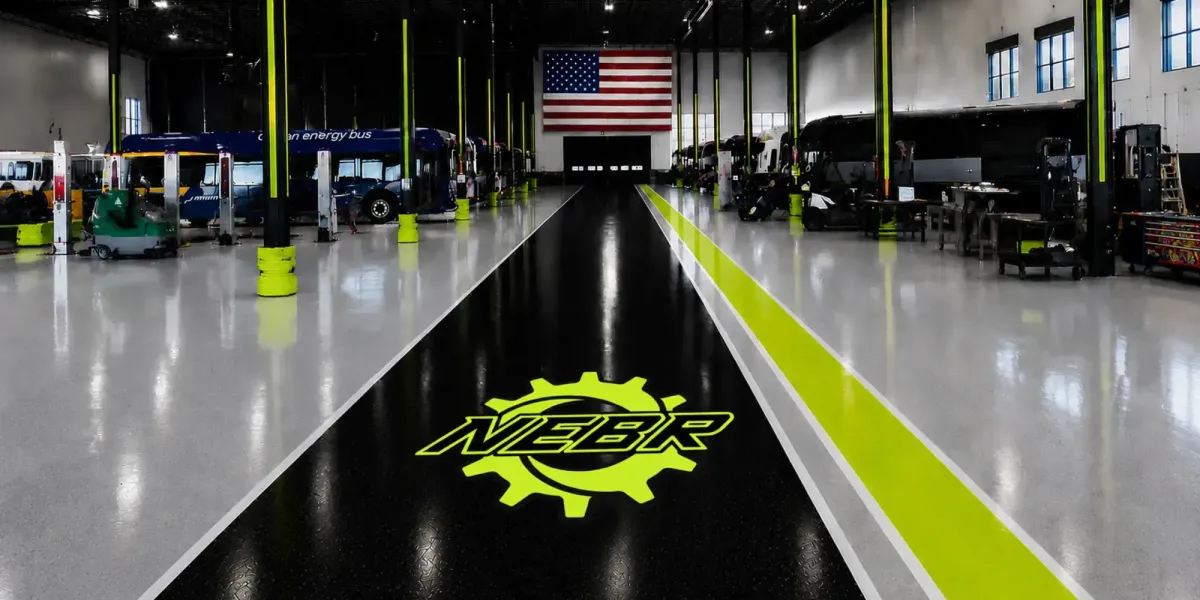
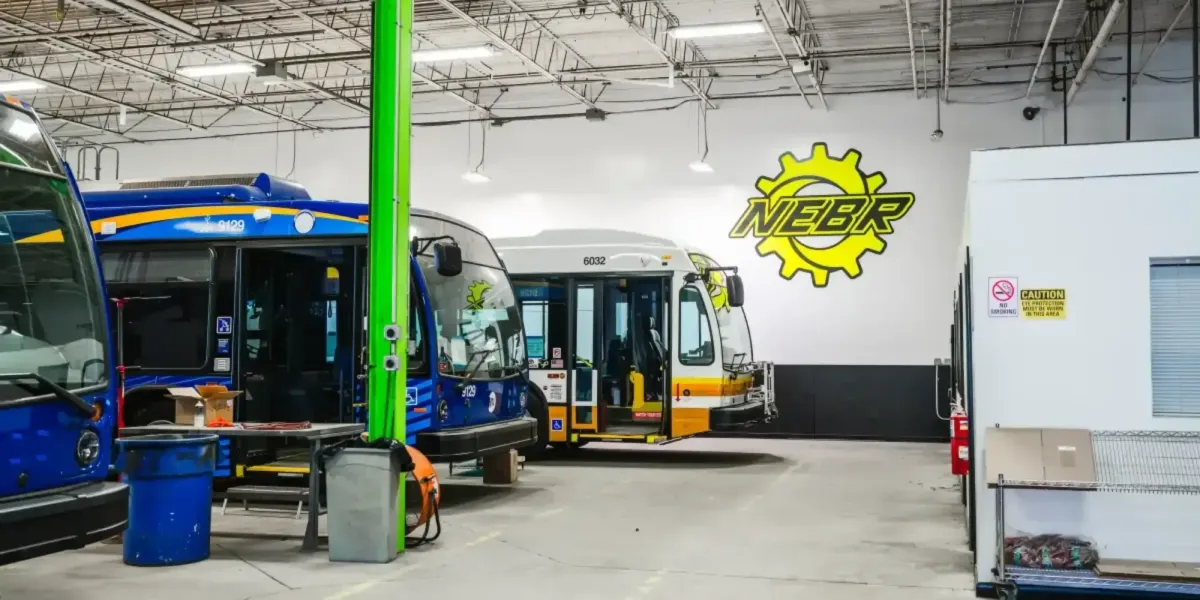
NEBR offers comprehensive fleet maintenance services tailored to school district budgets and schedules.
Technician Training Investment: Well-trained mechanics diagnose problems faster and repair them correctly the first time. Invest in ongoing training, certifications, and access to technical information.
Standardize Fleet When Possible: Operating multiple bus makes and models increases parts inventory costs and technician training requirements. When replacing buses, consider standardization benefits.
Warranty Management: Track warranty coverage meticulously and ensure warranty-covered repairs are submitted properly. Extended warranties on major components may provide value for newer buses.
Fuel Efficiency Programs: Implement driver training on fuel-efficient operation, maintain proper tire pressure, and keep engines properly tuned. Fuel represents a major operating cost—small improvements yield significant savings.
Data-Driven Decision Making: Use maintenance management software to identify patterns:
- Which buses have highest repair costs (retirement candidates)?
- Which components fail most frequently (quality issues)?
- What repairs are most expensive (prevention opportunities)?
- How does your cost per mile compare to industry benchmarks?
Training Drivers for School Bus Pre-Trip Inspections
Drivers are your frontline maintenance team. Properly trained drivers identify problems early, preventing breakdowns and ensuring student safety.
Comprehensive Training Program Components:
Initial Training: New drivers should receive thorough instruction on:
- Federal and state inspection requirements
- Step-by-step inspection procedures
- What constitutes a safety defect requiring immediate attention
- How to complete inspection reports accurately
- Who to contact when problems are discovered
Hands-On Practice: Classroom instruction alone isn’t sufficient. Provide:
- Supervised practice inspections with experienced drivers or mechanics
- Identification of actual defects on training vehicles
- Practice completing inspection forms
- Scenarios requiring judgment calls on vehicle operability
Annual Refresher Training: Conduct yearly updates covering:
- Regulation changes
- Common defects found in your fleet
- New equipment or technology
- Review of inspection procedures
Accountability Systems: Ensure inspections are performed consistently:
- Require signed inspection reports before each route
- Periodically ride along to observe driver inspection procedures
- Provide feedback on inspection report quality and completeness
- Recognize drivers who identify problems before they cause breakdowns
Communication Protocols: Establish clear procedures for reporting defects:
- Immediate notification for safety-critical issues
- Standardized forms capturing essential information
- Follow-up process so drivers know their reports were addressed
- Feedback loop when repairs are completed
Empowerment and Support: Create a culture where drivers feel responsible for vehicle condition:
- Never pressure drivers to operate unsafe vehicles
- Provide backup buses when defects require immediate attention
- Involve drivers in discussions about recurring problems
- Recognize and reward thorough inspections
Documentation and Compliance: Maintain training records demonstrating:
- Initial training completion dates
- Annual refresher attendance
- Competency assessments
- Regulation compliance
Frequently Asked Questions – School Bus Maintenance
What is school bus maintenance and why is it important?
School bus maintenance involves routine inspections, preventive service, and repairs to ensure buses operate safely, reliably, and efficiently. Proper maintenance protects student passengers, minimizes breakdowns, ensures regulatory compliance, and reduces overall operating costs.
What are the daily school bus inspection requirements?
Drivers should perform pre-trip and post-trip inspections including:
- Checking lights, mirrors, tires, and fluid levels
- Testing brakes, steering, horn, and emergency systems
- Inspecting passenger seats, emergency exits, and safety equipment
- Documenting any defects for immediate repair
What preventive maintenance schedule should be followed for school buses?
- Every 3,000–5,000 miles / monthly: Oil/filter changes, fluid checks, tire inspection, battery testing, lights, wipers
- Every 6,000–10,000 miles / quarterly: Tire rotation, brake inspection, air filters, fuel filters, chassis lubrication
- Every 12,000–15,000 miles / semi-annually: Transmission service, differential service, steering/suspension inspection
- Annually / 25,000+ miles: Coolant flush, brake overhaul, body/frame inspection, electrical testing, emergency equipment replacement
What are the most common school bus repair issues?
- Brake problems: Pad/shoe wear, air leaks, brake fade
- Electrical failures: Dead batteries, lighting or warning light issues
- Cooling system issues: Leaks, thermostat or radiator failures
- Suspension and steering: Worn bushings, shocks, alignment problems
- Transmission and diesel engine problems
How can fleet managers ensure regulatory compliance?
- Maintain detailed records of inspections, repairs, and preventive maintenance
- Follow FMCSR (Federal Motor Carrier Safety Regulations) and state-specific requirements
- Conduct regular safety inspections and document results
- Train drivers to identify defects and report them immediately
How should a school bus be prepared for summer maintenance?
- Complete major repairs (engine, transmission, brakes, suspension)
- Perform deep cleaning and sanitization of interior and exterior
- Update technology (GPS, cameras, communication systems)
- Train drivers, stock parts inventory, and assess fleet condition
How can school districts reduce maintenance costs?
- Invest in preventive maintenance instead of reactive repairs
- Standardize fleet models to reduce parts inventory and training needs
- Use bulk purchasing and cooperative buying programs
- Track warranty coverage and implement fuel efficiency programs
- Use maintenance management software to identify cost-saving opportunities
What role do drivers play in school bus maintenance?
Drivers are the first line of defense:
- Conduct daily pre-trip and post-trip inspections
- Identify and report defects promptly
- Follow proper operating techniques to reduce wear
- Participate in initial training and annual refresher courses
How do you choose a reliable school bus maintenance partner?
Look for providers with:
- Certified and trained technicians
- State-of-the-art diagnostic equipment
- Comprehensive parts inventory
- Proven regulatory compliance and safety record
- Fleet-tailored preventive maintenance programs
What are the consequences of neglecting school bus maintenance?
- Increased risk of accidents and safety incidents
- Vehicles placed out of service by inspectors
- Higher repair costs due to major component failures
- Liability exposure and potential fines
- Reduced fleet lifespan and operational efficiency
Partner with School Bus Maintenance Experts
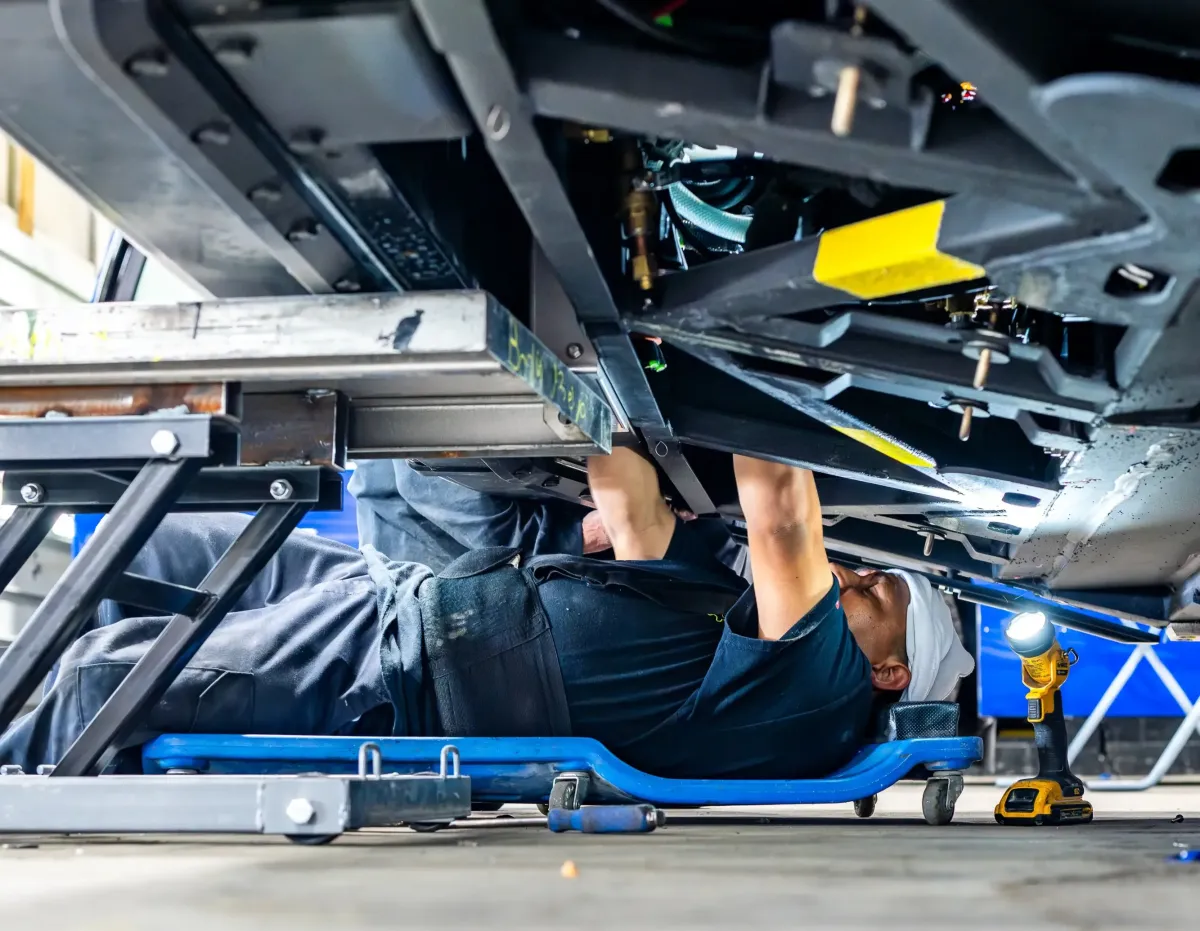
Maintaining a school bus fleet requires expertise, facilities, and resources that many districts find challenging to maintain entirely in-house. Whether you need support with major repairs, specialized services, or comprehensive maintenance programs, partnering with experienced professionals ensures your fleet remains safe and reliable.
Our team understands the unique demands of school bus maintenance—regulatory compliance, tight budgets, and the absolute priority of student safety. We offer comprehensive bus repair services tailored to school district needs, from routine preventive maintenance to complex repairs and summer overhauls.
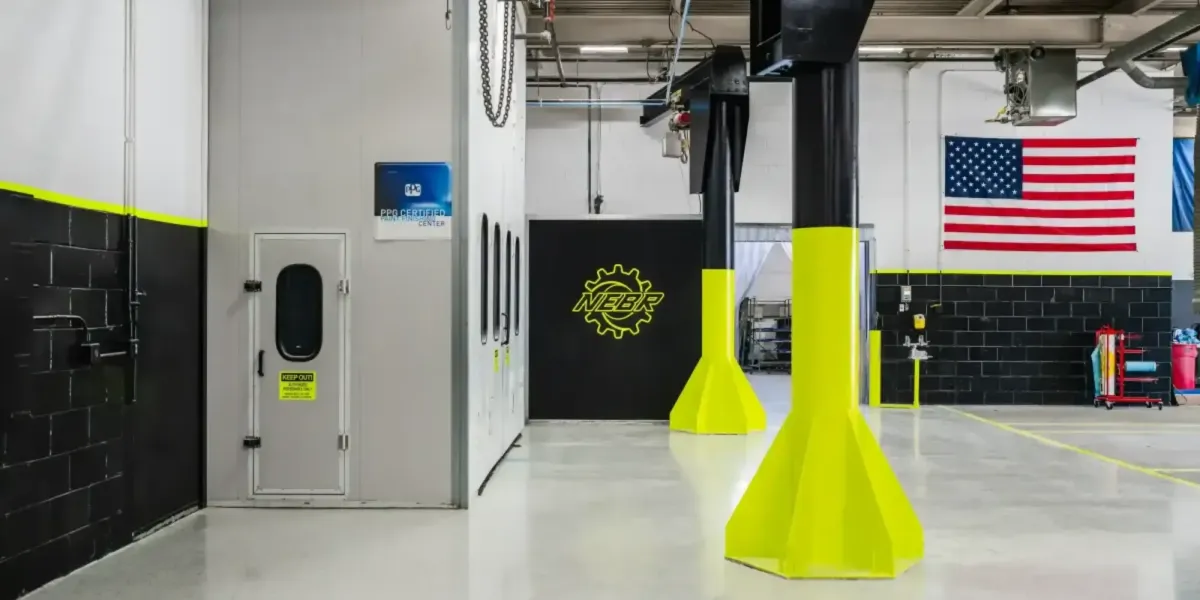
With certified technicians, state-of-the-art diagnostic equipment, and extensive parts inventory, we help transportation directors maintain safe, reliable fleets while controlling costs. Contact us today to discuss how we can support your school bus maintenance program.